
Archive for July 2020
Stones of Unity

IN THIS WEEK’S parsha, we learn that two stones are to be placed on the shoulder straps of the Eiphod of the Kohen Gadol, each bearing the names of six of the Shevatim. Rashi explains that the remembrance of these great tzaddikim before Hashem would aid the atonement process for the penitent sinners who visited…
Read MoreThe Unifying Thread

You shall make the beams for the Mishkan of acacia wood, upright. In this week’s parsha, Hashem commands the b’nei Yisrael to build a Mishkan, saying “V’asu Li mikdash veshachanti b’socham”, “Make for Me a sanctuary and I will dwell within it (besocham)“. Although the Mishkan was a single structure, the word “Besocham”, “and I…
Read MoreAnd I Shall Dwell Within

“Make for Me a temple and I shall dwell among them. Like all I am showing you… so shall it be made.” Noting the apparent form disagreement between the singular “mikdash” and the plural “b’socham”, the tzaddikim teach that in addition to commanding us to build a physical temple, Hashem is charging us with transforming…
Read MoreTaking is Giving

This week’s parsha opens with the commandment of “Vayikchu li Terumah”, “And take for Me an offering”, the contributions made by each individual Jew to the Mishkan. Rashi comments on the word “li” with a single word – “L’shmi”, “For My Name’s sake”. The contributions were to be given with intent to honor and glorify…
Read MoreShine Your Light!

In this week’s parsha, Hashem commands the b’nei Yisrael to build a Mishkan, saying, “V’asu Li mikdash veshachanti b’socham”, “Make for Me a sanctuary and I will dwell besocham“. Although the Mishkan was a single building, the word “Besocham”, “and I will dwell within it”, is plural, which, rendered literally, reads “and I will dwell…
Read MoreThe Antidote for Arrogance

Parshas Yisro ends with the halacha that the Kohanim must ascend the Mizbeach using a ramp instead of stairs. The reason for this is that the motion required for climbing stairs would cause their nakedness to be revealed, disrespecting the holiness of the Mizbeach. The Midrash poses two questions. First, why does the verse say…
Read MoreWith Both Inclinations

“If a man gives his friend money or vessels to watch and they are stolen from his house, if the thief is found he shall pay double.” One of the foundational ideas of Yiddishkeit is that avodas Hashem takes place on the battleground between the forces of the yetzer tov and the yetzer hara. We…
Read MoreThe Grand Synthesis of Jewish Living
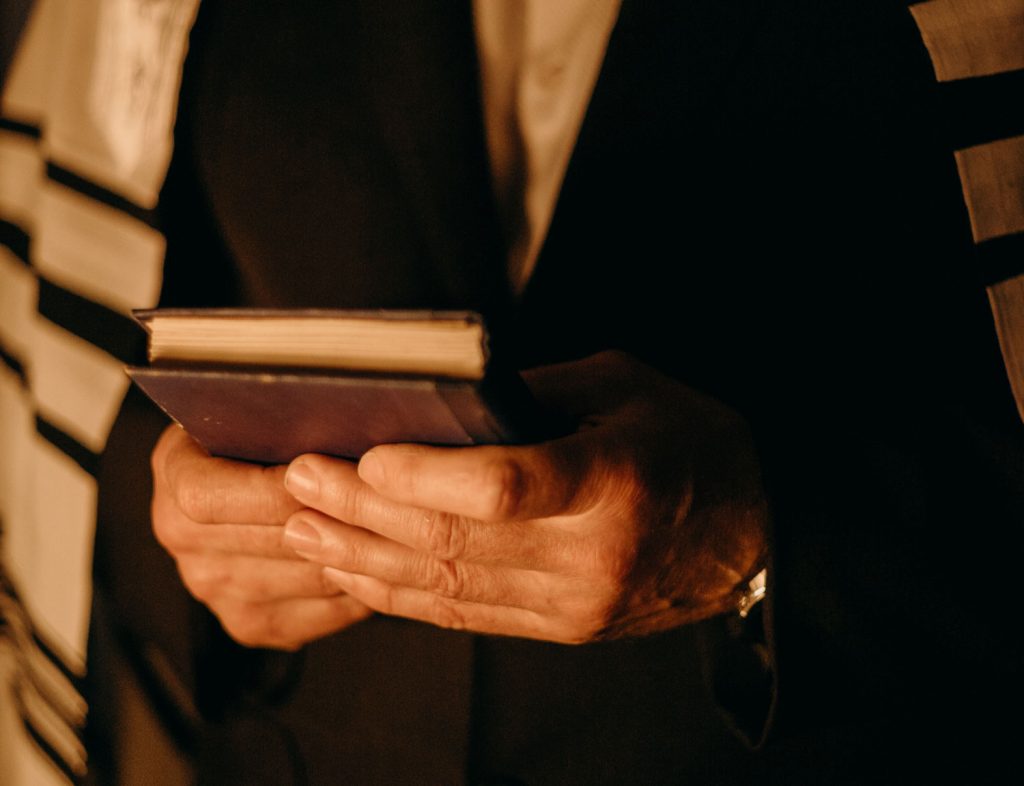
From the very first verse, all of the parshios we have read thus far may be seen as a long process culminating in matan Torah. The unimaginable fire of parshas Yisro, reminiscent of a tremendous gush of love and yearning toward Hashem finds expression throughout the parsha from the very beginning to the very end.…
Read MoreTo Be a Jew

Describing the awesome revelation upon Har Sinai, the Torah states, “And the entire nation saw the sounds, and the fires, and the call of the Shofar.” R’ Shlomo Carlebach perceived a very deep lesson hidden in this verse. Gathered for Matan Torah at the foot of the mountain, six hundred thousand broken ex-slaves became bound…
Read MoreHoliness is Ever Near
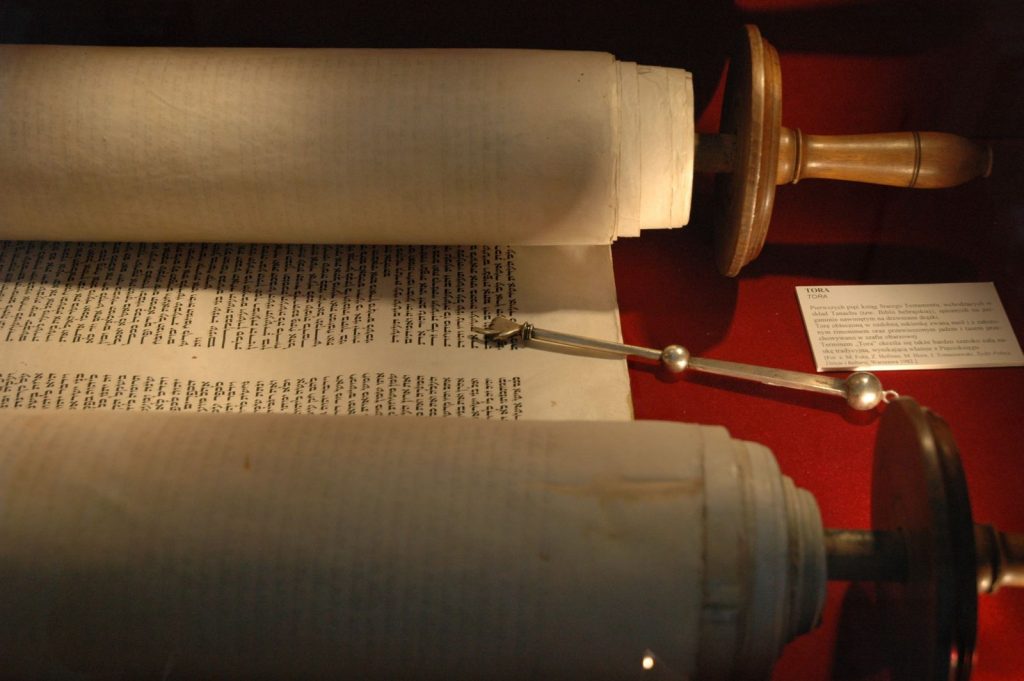
“And Yisro, the priest of Midyan, father-in-law of Moshe, heard…” This week’s parsha describes the single most consequential event in world history: the giving of the Torah to the Jewish nation. But before this awesome moment is described, the parsha begins with the seemingly unrelated episode of “Vayishma Yisro”, Yisro’s drawing forth to the Jewish…
Read More